June 10, 2026
Listing syndication 101: getting your properties on every channel
By Alex Burton
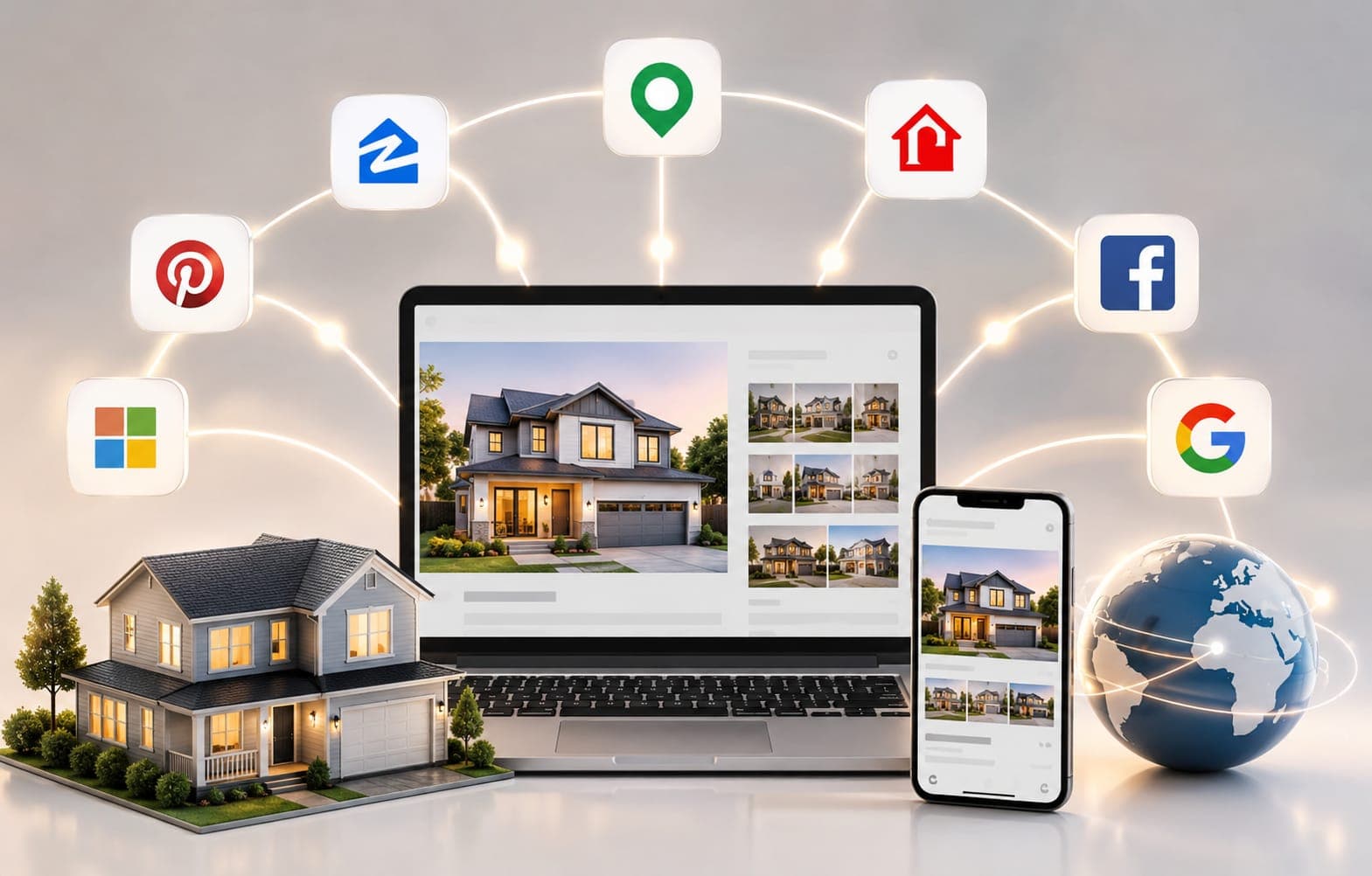
You posted the listing on Zillow. You waited. You got three inquiries in two weeks, one of which ghosted after the first message. Meanwhile, the unit two blocks over filled in four days. Same building type, similar rent, nothing special about it. The difference? Their listing was everywhere.
Rental listing syndication is the practice of publishing one listing and having it appear across dozens of platforms simultaneously. It’s not a new concept, but it’s still one of the most underused levers in a property manager’s toolkit. This post covers how it works, which platforms actually move the needle, and what you need to get right before you hit “publish.”
What rental listing syndication actually means
At its core, rental listing syndication is the process of distributing a single rental property listing from one central source to multiple online platforms at the same time. You write the copy once, upload the photos once, set the rent and availability once, and the syndication system does the rest.
Without it, you’re logging into Zillow, then Apartments.com, then Zumper, then Apartment List, re-entering the same information each time, hoping nothing gets inconsistent. For one unit, that’s an hour of tedium. For 30 units turning over at the same time? It’s a part-time job you didn’t sign up for.
The syndication model works through a feed: your property management platform (or syndication tool) maintains a master record of your listing data and pushes it outward to connected partner sites. The partner sites pull from that feed and display your listing to their audiences. Think of it as one source of truth feeding many storefronts.
Why listing on a single platform isn’t enough
Different renters search in different places, and the overlap between platforms is smaller than most people assume.
A 25-year-old moving to a new city will probably start on Zumper or Apartment List. A family relocating for work is likely filtering on Zillow or Realtor.com. A renter looking for a specific neighborhood might end up on Facebook Marketplace or a local niche site. No single platform captures all of them.
There’s also the algorithm problem. Even on a platform like Zillow, listings that have been active for more than a week start to lose visibility. The first 72 hours are when you get the most impressions. If your only channel is Zillow and it has a slow start, you’ve burned your best window. With multi-channel listing distribution, a slow burn on one platform often gets offset by strong early traction on another.
One more thing: platform policies change. Zillow’s feed agreements, Zumper’s free-versus-paid listing rules, and Apartments.com’s pricing tiers for multifamily evolve. A property manager who has built a workflow dependent on one portal is exposed every time that portal changes its terms.
The major platforms and what each one does well
Here’s a quick breakdown of the platforms worth your attention in the U.S. market:
| Platform | Best for | Key detail |
|---|---|---|
| Zillow Rentals | Broadest renter audience | Syndicates to Trulia and HotPads automatically |
| Apartments.com | Qualified, serious applicants | Free for under 5 units; paid boosts available |
| Zumper | Urban renters, faster movers | Hybrid free/paid model; paid listings get priority placement |
| Apartment List | High-intent renters | Charges per lease signed, not per listing |
| Realtor.com | Active home-and-rental seekers | Strong traffic; distribution varies by property type |
| Redfin | Multifamily-focused | Shifted to 25+ units minimum; check eligibility |
| Craigslist | Local reach, especially Class B/C | Still drives volume in many markets, especially non-urban |
| Facebook Marketplace | Renters sourced through social | High volume of inquiries, requires active lead management |
You don’t need to be on all of them manually. That’s the whole point of syndication. But you do need to know which platforms your tool actually connects to, because coverage varies widely.
For property managers using LeaseHub’s syndication feature, listings flow to the major portals from a single dashboard, without the manual re-entry on each site.
How property listing distribution actually works behind the scenes
When you set up syndication through a platform, here’s what happens technically:
- You create the master listing: address, unit details, rent, photos, availability, policies. This becomes the data record everything else is derived from.
- The platform generates a feed: usually in a structured format that partner sites can read and ingest.
- Partner sites pull from the feed: typically on a schedule (hourly or daily), not in real time. This is why changes you make on your end can take a few hours to reflect on Zillow or Apartments.com.
- Inquiries route back to you: either through the platform’s built-in lead inbox, your property management software, or a forwarding email.
The “source of truth” concept matters here. If you’re also posting the same unit directly on Zillow while your property management platform is also syndicating to Zillow, you’ll likely end up with duplicate listings, which both platforms penalize. Pick one source and turn off the other.
This is also where managing your full lead pipeline in one place becomes critical if inquiries are coming in from five platforms and landing in five different inboxes, syndication created the exposure but your follow-up workflow will undo it.
What makes a listing worth syndicating
Syndication gets your listing in front of more people. But if the listing itself is thin, you’re just showing bad work to a bigger audience.
Before you syndicate, run it through this checklist:
- Photos: At least 8 to 10 high-quality photos, including every room, natural light where possible. Listings with photos get significantly more clicks than text-only posts.
- Headline: Be specific. “2BR/1BA in Lincoln Park, available July 1” beats “Great apartment in great location.”
- Description: Lead with the three things renters care most about: price, location access (nearby transit, major employers), and pet/parking policy. Put the amenities list after.
- Availability date: Always include it. Many renters are filtering by move-in date, and an unlisted availability date removes you from those searches entirely.
- Rent and fees: Be transparent. Listings that hide fees under “contact for pricing” convert worse and attract renters who’ll be annoyed when they find out.
A well-built listing that gets distributed across six platforms will almost always outperform a weak listing on twelve platforms. Get the asset right first.
Common mistakes that kill your syndication results
Inconsistent data across platforms. If your rent shows as $2,200 on Zillow but $2,100 on Apartments.com (because you updated one but not the other), renters notice. It looks sloppy and creates friction in the inquiry stage. Centralized syndication solves this, but only if you’re actually updating the master record instead of editing individual platform listings directly.
Not monitoring lead response time. More platforms means more inbound inquiries. If you’re not set up to respond quickly, you’ll get leads and lose them. Studies consistently show that rental inquiries convert at dramatically lower rates when response time exceeds an hour. Showing automation paired with syndication solves this: leads come in, get an instant confirmation, and a showing gets scheduled without you touching it.
Syndicating before the unit is ready. If photos show construction debris or an occupied unit with a tenant’s belongings, you’ll get inquiries but no serious applications. Schedule your photography for after the turnover clean, even if it means a few days’ delay.
Forgetting to de-list when the unit fills. A listing that stays active after the unit is rented generates phantom leads and frustrates applicants. Make sure your syndication workflow includes a step to pull listings across all platforms simultaneously, not just on one.
When you’re ready to go beyond the basics
Syndication is the first layer of multi-channel listing strategy. Once you’re comfortable with it, the next level is:
- Paid placement on specific platforms: Zumper and Apartments.com both offer paid tiers that push your listing higher in search results. Worth testing for units in competitive markets.
- Social distribution: Some syndication tools can automatically generate posts for Facebook and Instagram from your listing data. Useful for quick-moving markets.
- ILS (Internet Listing Service) partnerships: For larger multifamily operators, direct ILS relationships with platforms can offer reporting and lead data that free syndication feeds don’t.
The bigger picture is that syndication removes the manual work from listing distribution. The time you save re-posting listings on individual platforms is time you can put toward screening applicants faster or following up on warm leads already in your pipeline.
That workflow starts with getting your listings in front of the right people. Syndication is how you do that at scale.
FAQ
What’s the difference between rental listing syndication and posting manually on each site?
Manual posting means creating and maintaining a separate listing on each platform individually different logins, different photo uploads, different data entry. Syndication means entering your listing data once and having it distributed automatically to all connected platforms from a single source.
How long does it take for a syndicated listing to appear on platforms like Zillow or Apartments.com?
Most syndication feeds are not real-time. Platforms pull from the feed on a schedule, typically anywhere from a few hours to 24 hours. Don’t expect instant appearance, especially on first-time syndication for a new unit.
Can I control which platforms my listing appears on?
Most property management platforms and syndication tools allow you to toggle individual platforms on or off. You might want to exclude certain platforms for specific unit types or markets.
What happens to the listing when the unit is rented?
You should mark the unit as inactive or remove the listing from your property management platform or syndication tool. Most platforms will then remove or pause it across all connected sites, though there can be a delay.
Is listing syndication free?
It depends on the platform and the tool. Some property management software includes syndication as a standard feature. Others charge per listing or per portal connection. Individual listing sites like Apartments.com offer free tiers with paid upgrade options for better placement.